Introduction
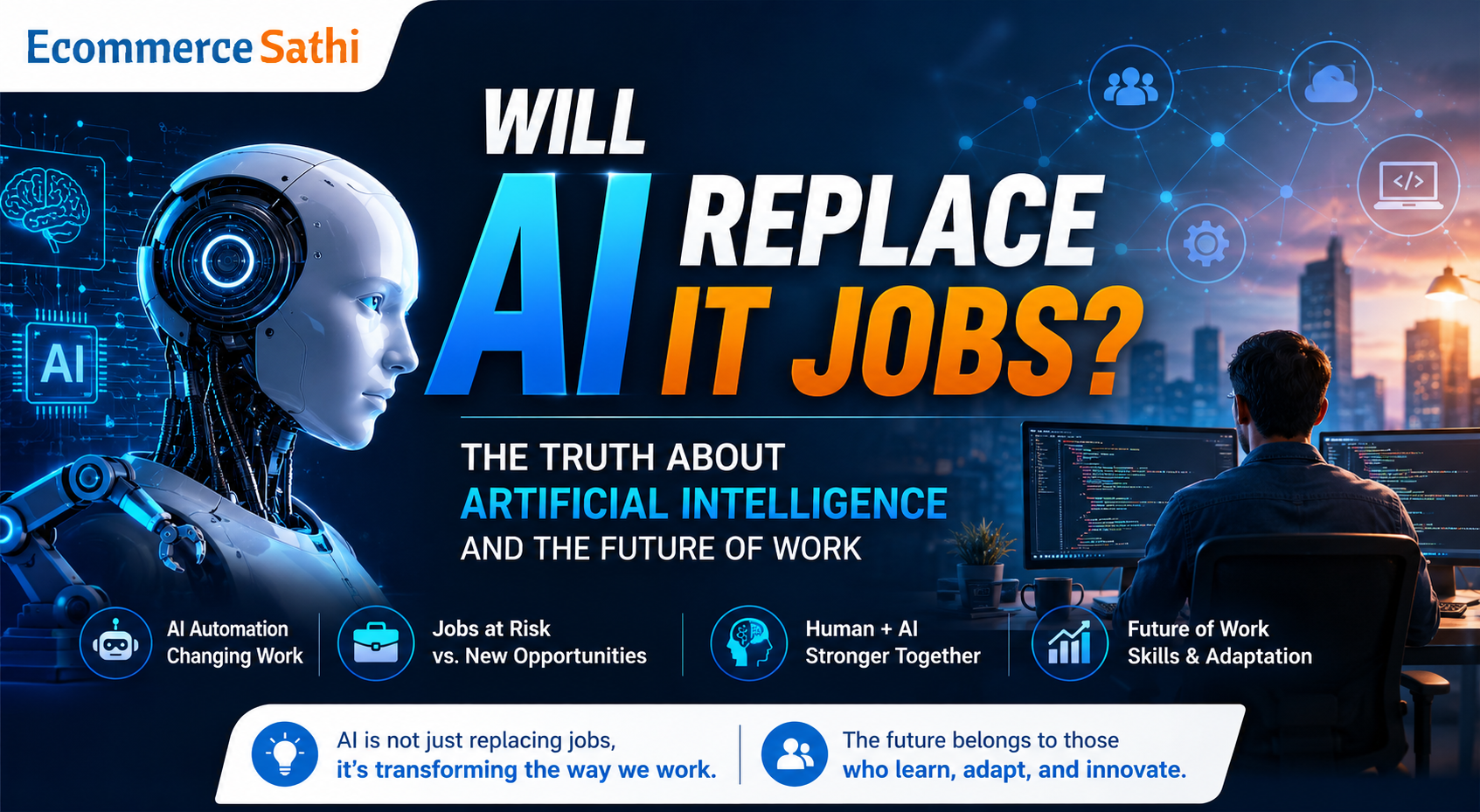
Artificial Intelligence (AI) is one of the most transformative technologies of the 21st century. From voice assistants and recommendation systems to self-driving vehicles and advanced business automation, AI is rapidly changing the way people live and work. In recent years, AI-powered tools such as ChatGPT, GitHub Copilot, Google Gemini, and various machine learning platforms have sparked global discussions about the future of employment. One question appears repeatedly among professionals, students, and business leaders: Will AI replace IT jobs?
The Information Technology (IT) industry has always been at the forefront of technological innovation. However, the rise of AI has introduced new opportunities and challenges for IT professionals. Tasks that once required significant human effort can now be completed automatically by intelligent systems. As a result, many workers fear that AI could eventually make their jobs obsolete.
While AI is undoubtedly transforming the workplace, the reality is more complex than a simple replacement of humans by machines. AI is changing job roles, automating repetitive tasks, creating new career opportunities, and redefining the skills required in the modern workforce. Understanding these changes is essential for anyone who wants to remain competitive in the evolving digital economy.
This article explores how AI is impacting IT jobs, which roles are most affected, the opportunities AI creates, and what the future of work may look like in an increasingly automated world.
Understanding Artificial Intelligence and Automation
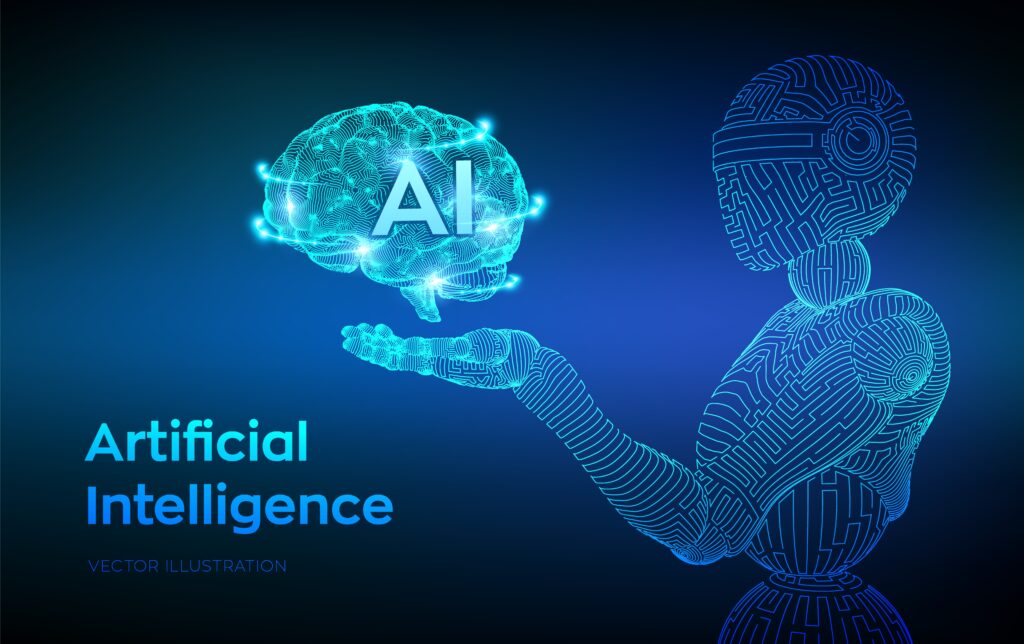
“Artificial intelligence” refers to computer systems that can perform tasks that normally require human intelligence. These tasks include learning from data, recognizing patterns, understanding language, making predictions, and solving problems.
AI technologies are powered by machine learning, deep learning, natural language processing, computer vision, and advanced algorithms. Unlike traditional software that follows fixed instructions, AI systems can improve their performance over time by analyzing large amounts of data.
One of the most significant applications of AI is automation. Automation enables machines and software to perform tasks with minimal human intervention. Businesses use automation to increase efficiency, reduce costs, improve accuracy, and accelerate operations.
In the IT sector, automation is transforming everything from customer service and software testing to cybersecurity and software development. As AI becomes more advanced, its ability to handle routine and repetitive work continues to grow.
How AI is Replacing Manual Work in IT
1. Customer Support Automation
Customer support has traditionally required large teams of employees to answer questions, troubleshoot issues, and assist users. Today, AI-powered chatbots and virtual assistants can handle many of these responsibilities automatically.
Modern chatbots can:
- Answer frequently asked questions
- Resolve basic technical issues
- Guide users through troubleshooting processes
- Provide product recommendations
- Operate 24/7 without interruptions
This reduces the workload for support teams and allows human agents to focus on more complex customer concerns.
2. Data Entry and Processing
Data entry has long been considered one of the most repetitive tasks in business operations. AI systems can now extract, classify, and process information from documents, emails, invoices, forms, and databases with remarkable speed and accuracy.
Benefits include:
- Reduced human errors
- Faster processing times
- Lower operational costs
- Improved productivity
As a result, many organizations have significantly reduced manual data entry requirements.
3. Software Testing Automation
Software testing is an essential part of application development. Traditionally, testers manually checked applications for bugs and performance issues.
Today, AI-powered testing tools can:
- Generate test cases automatically
- Detect software defects
- Predict potential failures
- Execute repetitive testing tasks
This allows testing teams to focus on complex quality assurance strategies rather than routine validation tasks.
4. Basic Coding and Programming
AI coding assistants have become increasingly popular among developers. These tools can generate code snippets, suggest improvements, identify errors, and even build simple applications.
Examples of AI-assisted development include:
- Code generation
- Bug detection
- Documentation creation
- Code optimization
- Automated debugging
Although AI can write basic code, human developers remain essential for designing architecture, solving complex problems, and ensuring software quality.
The Impact of AI on Cybersecurity
Cybersecurity has become a major priority for businesses worldwide. As cyber threats become more sophisticated, AI is playing an increasingly important role in protecting digital systems.
AI can:
- Monitor networks continuously
- Detect unusual behavior
- Identify security vulnerabilities
- Analyze large datasets in real time
- Respond to threats quickly
Instead of replacing cybersecurity professionals, AI acts as a force multiplier that enables security teams to work more efficiently and effectively.
Human expertise remains crucial for strategic decision-making, incident response, and managing complex security risks.
Will AI Replace Programmers?
One of the most common concerns in the technology industry is whether AI will replace software developers.
The short answer is no—but it will change how developers work.
AI tools can automate many coding tasks, including:
- Writing repetitive code
- Generating templates
- Debugging simple issues
- Creating documentation
However, software development involves much more than writing code.
Developers are responsible for:
- Understanding business requirements
- Designing system architecture
- Solving complex technical problems
- Managing software projects
- Ensuring security and scalability
- Collaborating with stakeholders
AI can assist programmers, but it lacks the creativity, strategic thinking, and contextual understanding necessary for advanced software development.
Instead of replacing programmers, AI is becoming a powerful productivity tool that enhances their capabilities.
Jobs Most Vulnerable to AI Automation
Certain IT roles face a higher risk of automation because they involve repetitive and rule-based tasks.
These include:
Data Entry Operators
AI systems can process and organize information far faster than humans.
Basic Technical Support Staff
Many routine support requests can now be handled through AI chatbots and virtual assistants.
Manual Software Testers
Automated testing tools can perform repetitive testing tasks more efficiently.
Administrative IT Roles
Scheduling, reporting, and documentation tasks are increasingly being automated.
While these roles may decline, workers can remain valuable by developing advanced technical and analytical skills.
New Career Opportunities Created by AI
Although AI is automating some jobs, it is also creating entirely new career paths.
AI Engineer
AI engineers develop intelligent systems and machine learning solutions.
Machine Learning Specialist
These professionals create algorithms that allow machines to learn from data.
Data Scientist
Data scientists analyze large datasets to generate business insights and support decision-making.
Robotics Engineer
Robotics engineers design and maintain automated systems and intelligent machines.
Prompt Engineer
Prompt engineers specialize in creating effective instructions that help AI systems generate accurate results.
AI Ethics Specialist
As AI adoption grows, organizations need experts who can ensure responsible and ethical AI usage.
The demand for these roles continues to increase globally.
The Importance of Human Skills
Despite AI’s rapid advancement, certain human abilities remain difficult to replicate.
These include:
Creativity
AI can generate content, but genuine innovation often comes from human imagination.
Emotional Intelligence
Humans understand emotions, empathy, and interpersonal relationships in ways that machines cannot.
Critical Thinking
Complex decision-making requires context, judgment, and reasoning beyond AI capabilities.
Leadership
Organizations still need leaders who can inspire teams and guide strategic direction.
Communication
Human communication involves nuance, persuasion, and emotional awareness.
Professionals who strengthen these skills will remain valuable in the AI-driven economy.
Ethical Challenges of Artificial Intelligence
The growth of AI has also raised important ethical concerns.
Bias in AI Systems
AI models learn from historical data. If that data contains bias, the AI may produce unfair outcomes.
Privacy Issues
AI systems often process large amounts of personal information, creating concerns about data security and privacy.
Job Displacement
Automation may reduce demand for certain roles, creating workforce challenges.
Dependence on Technology
Overreliance on AI may weaken human problem-solving and critical-thinking abilities.
Governments, businesses, and technology companies must work together to develop ethical AI frameworks that protect society while encouraging innovation.
AI and the Future Workplace
The future workplace will likely involve close collaboration between humans and AI systems.
Organizations are already integrating AI into daily workflows to:
- Generate reports
- Analyze performance data
- Manage projects
- Improve communication
- Streamline operations
Rather than replacing entire teams, AI enables smaller teams to achieve greater productivity.
Businesses that successfully combine human expertise with AI technology will gain significant competitive advantages.
The Impact of AI on Developing Countries
The effects of AI vary across different regions.
Developed nations are investing heavily in AI research, infrastructure, and innovation.
Developing countries such as Nepal, India, and Bangladesh face both opportunities and challenges.
Opportunities
- Remote work growth
- Digital entrepreneurship
- AI-based education
- Global freelancing opportunities
Challenges
- Job displacement in outsourcing industries
- Skill gaps
- Limited access to advanced technology
- Digital infrastructure requirements
To remain competitive, developing countries must invest in digital literacy, technical education, and workforce development.
How Students and Professionals Can Prepare
Success in the AI era requires continuous learning.
Key skills to develop include:
Technical Skills
- Programming
- Machine Learning
- Data Analytics
- Cloud Computing
- Cybersecurity
Soft Skills
- Communication
- Leadership
- Creativity
- Adaptability
- Problem-Solving
AI Literacy
Understanding how AI works and how to use AI tools effectively will become increasingly important across all industries.
Those who embrace lifelong learning will be better positioned to thrive in the evolving job market.
Conclusion
Artificial intelligence is transforming the IT industry in unprecedented ways. Through automation, machine learning, and intelligent software, AI is replacing many repetitive tasks such as data entry, software testing, customer support, and administrative work. This has led to concerns about job security and the future of employment.
However, the idea that AI will completely replace IT professionals is largely a misconception. While some roles may decline, many new opportunities are emerging in fields such as AI engineering, data science, machine learning, cybersecurity, and AI ethics. More importantly, AI works best when combined with human intelligence.
The future of work will not belong solely to humans or machines. Instead, it will belong to individuals and organizations that successfully integrate both. Professionals who adapt, learn new skills, and embrace AI as a productivity tool will be best positioned for long-term success.
Rather than fearing AI, we should view it as a powerful technology that can enhance human potential, drive innovation, and create a smarter, more efficient future. The key to thriving in the AI age is not resisting change but learning how to work alongside it.